Healing the inner child
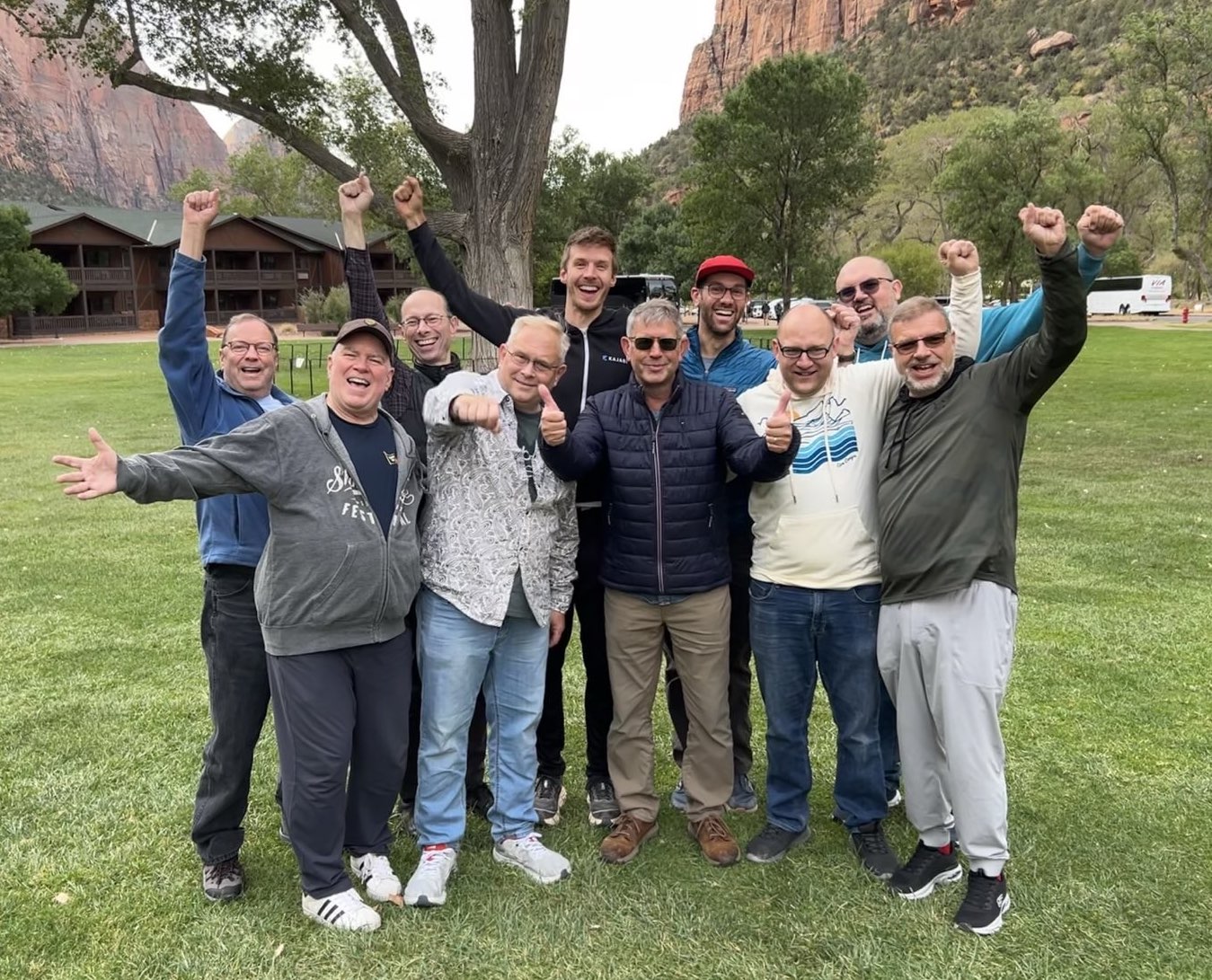
A few weeks ago I attended a retreat in Southern Utah, a “healing weekend” sponsored by Husband Material. I’ve attended other experiential weekends in the past and they have all benefitted me. This one was targeted at healing the inner child. My “inner child” represents the part of me that experienced childhood, including the joys, fears, wounds, and unmet needs from that time.
Many struggles in adulthood—like low self-esteem, fear of rejection, or difficulty trusting others—stem from unmet needs or emotional wounds from childhood. These might be from neglect, trauma, or even unintentional patterns passed down by caregivers.
Perfectionism can show up as a result of childhood traumas.
The word “trauma” might seem a little extreme for what I’ve been through. When I think of someone being traumatized I usually think of a soldier who came home from the war with PTSD because he saw his buddies die. Or a child who was kidnapped and regularly abused. Or someone who was in a horrible car accident and people were killed. Those are big T traumas.
Conversely, little t traumas could be like being teased or bullied in grade school. Or moving to a new town and being “the new kid” at a new school. Or not getting the desired attention from one’s parents. In these cases, the kid may be told to “buck up” or “just get over it.” And yet, any of these could have a big T effect on a kid.
Besides big T and little t traumas, there are A traumas and B traumas. B stands for Bad. So these are when bad things happen—abuse, severe punishment, loss of a family member. And A stands for Absent. These are when certain things are absent in a kid’s life. For example, neglect, not receiving attunement/attachment, or being emotionally abandoned. A traumas can be as destructive as B traumas, particularly because they are more subtle and difficult to recognize.
Also, two kids may have experienced the same challenge; one would be deeply affected by it and the other wouldn’t. For example, the divorce of parents, or being adopted. Some seem to take it in stride and others are scarred for life. It’s all about the perception of the kid.
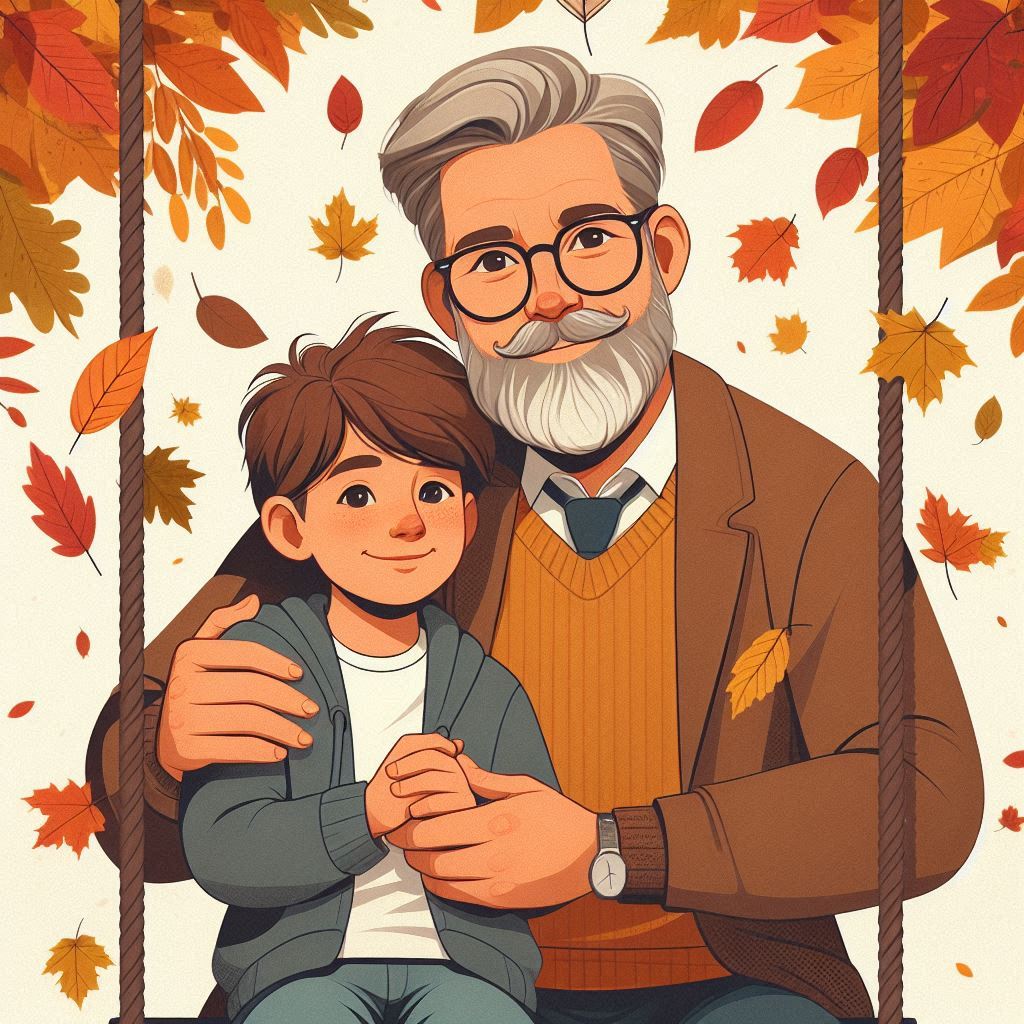
If I don’t address these wounds, they can show up in unhealthy relationships, perfectionism, self-sabotage, or emotional reactions that feel bigger than the situation at hand. By connecting with my inner child, I can better understand where my feelings come from and treat myself with the compassion and care I might have missed as a child.
So that’s the purpose of the healing weekend. Healing allows me to show up as a more whole, secure person in relationships, free from the need to be perfect. This isn’t about pretending to be a child again; it’s about acknowledging that the experiences and emotions of my younger self still influence me. And it’s about giving my inner child the support and validation he needed but didn’t adequately receive as a child.
 Imperfect Guy