
Not Every Fall Is a Failure
Last Saturday, I was with a group of friends on a bike trip in Southern Utah. The canyons there are gorgeous. Near the end of the trail, I lost control of my bike and wrecked. I injured my leg. My doctor calls it a hamstring strain. After x-rays and ultrasound images, it was determined that the injury wasn’t a tear or a break, just a pulled muscle and strain on the associated tendons and ligaments.
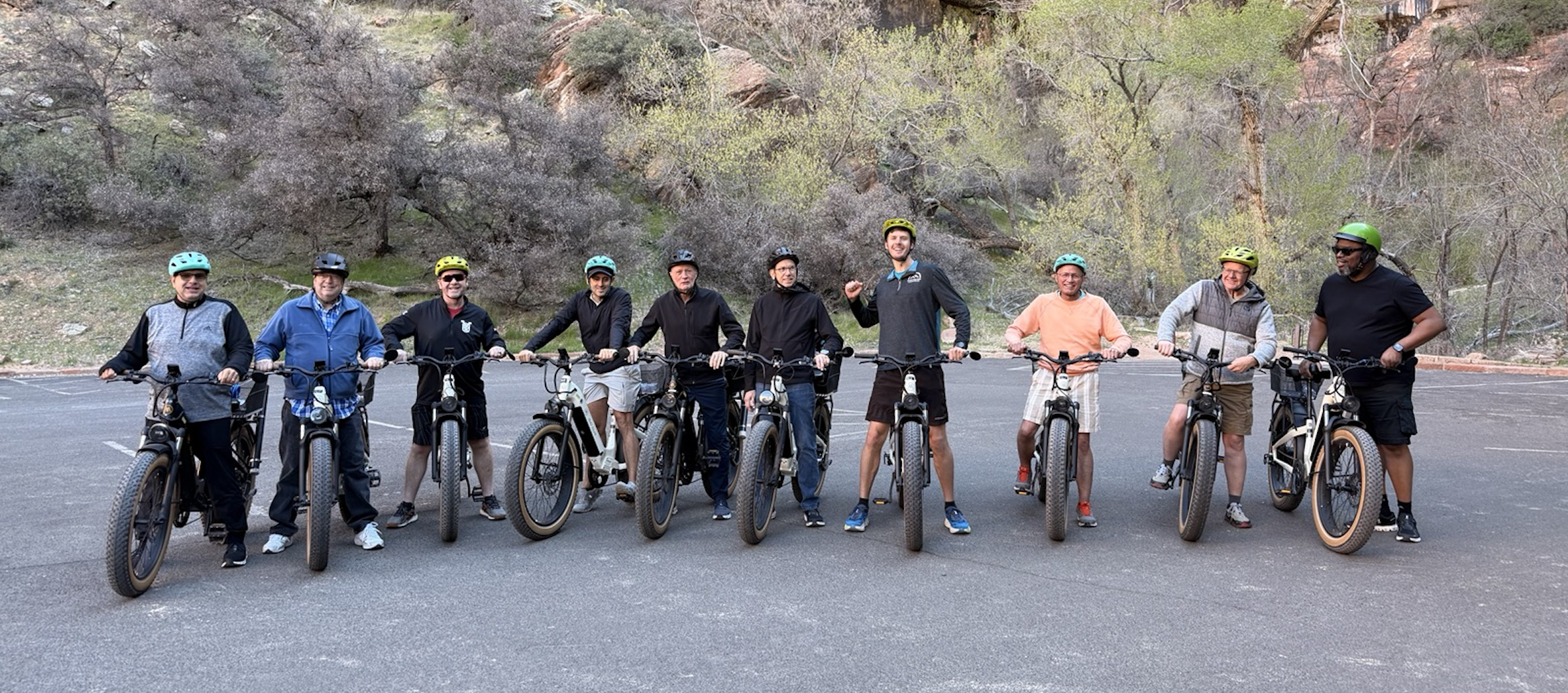
This was my first time having a pulled hamstring. I was unaware of how painful it could be. My friends offered me Advil and suggested that, in my situation, I could take more than the recommended daily dose. It was difficult to just walk, let alone sit, stand, drive, or even lie down. I gained a new appreciation for others who go through this type of challenge.
When the time came for me to return to Idaho, driving seemed daunting, since pushing on the pedals increased the pain in my right leg. Again, friends came to my aid and drove me most of the way home. Another friend encouraged me to try using my left foot on the pedals. Although awkward, this worked well, and I navigated the last leg of the trip without incident.
Since returning, I’ve experienced care and help from my doctor, physical therapist, massage therapist, family members, and a priesthood blessing.
This whole ordeal has caused a lot of pain, inconvenience, worry, and stress. And while I know that others have it a lot worse, my point isn’t to compare my struggles with others.
Previous versions of myself would have reacted to this challenge with negative thoughts:
What did I do to deserve this?
Is this a punishment for not keeping the commandments with enough exactness?
How am I supposed to function optimally with this adversity?
Fortunately, I’m receiving greater understanding of the purpose of suffering/affliction.
Last Saturday’s bike wreck has stayed with me, not just because of the physical pain, but because of what it revealed about an old pattern in me. As I’ve reflected on the experience, I’ve noticed how quickly my mind wants to move toward perfectionistic interpretations. Even something as simple and human as losing control of a bike can start to feel like a personal failure, or worse, a spiritual one.
There’s a version of me that tries to make sense of pain by assigning blame.
What did I do wrong?
Why wasn’t I more careful?
Shouldn’t I be better than this by now?
That line of thinking can subtly shift into something even heavier:
Is this somehow a reflection of my standing with God?
Am I falling short in ways that are now catching up to me?
Perfectionism has a way of turning everyday adversity into a verdict on our worth or righteousness.
But this experience has given me a chance to see things differently. The reality is, I was on a beautiful trail, doing something good with good people, and an accident happened. Not everything painful is a consequence. Not every setback is a sign that something is wrong with me spiritually. Sometimes, it’s just part of living in a mortal body in a fallen world.
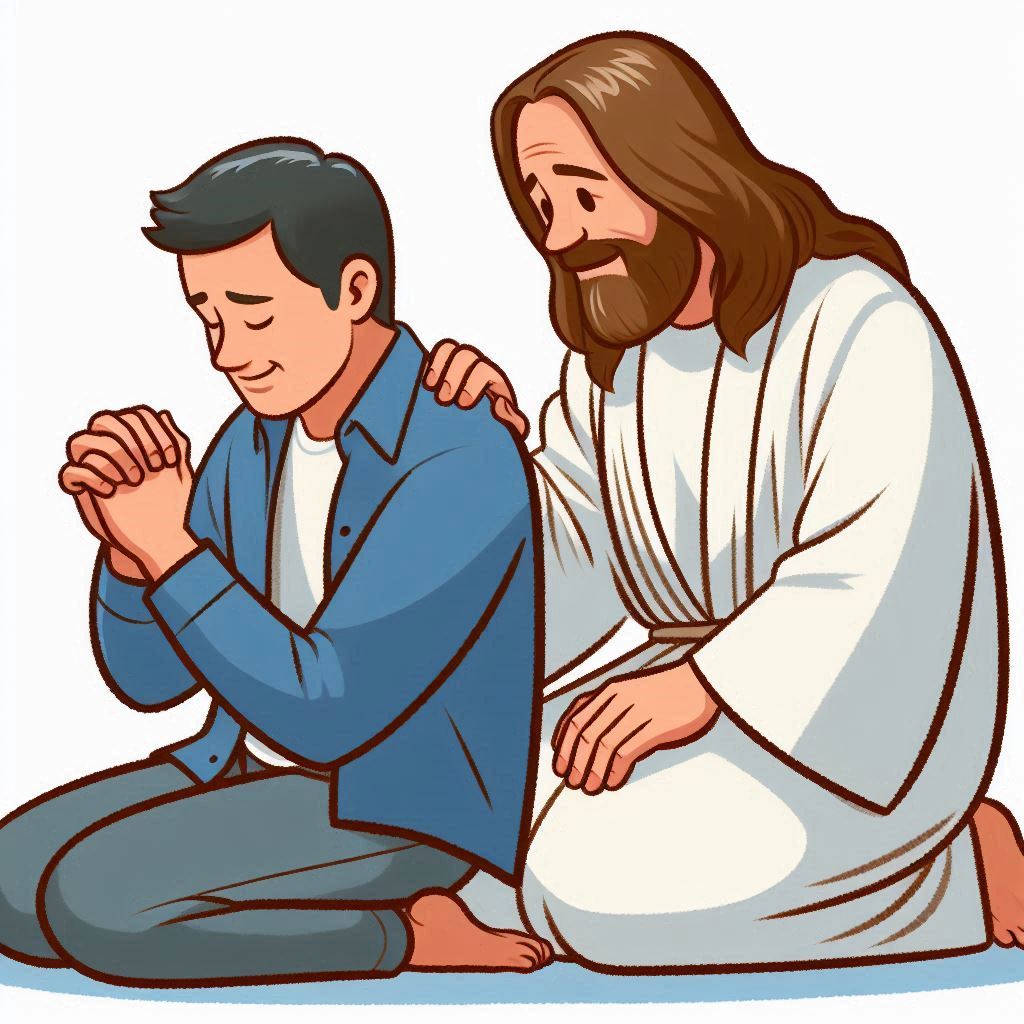
What has stood out to me even more than the injury itself is the outpouring of support that followed. Friends stepping in without hesitation. Creative solutions, like learning to drive with my left foot. Skilled professionals helping me heal. Family offering care. A priesthood blessing bringing peace. When I step back, I see that this experience wasn’t evidence of God’s disapproval; it was actually filled with evidence of His awareness of me. His help didn’t come by preventing the fall, but by surrounding me with grace afterward.
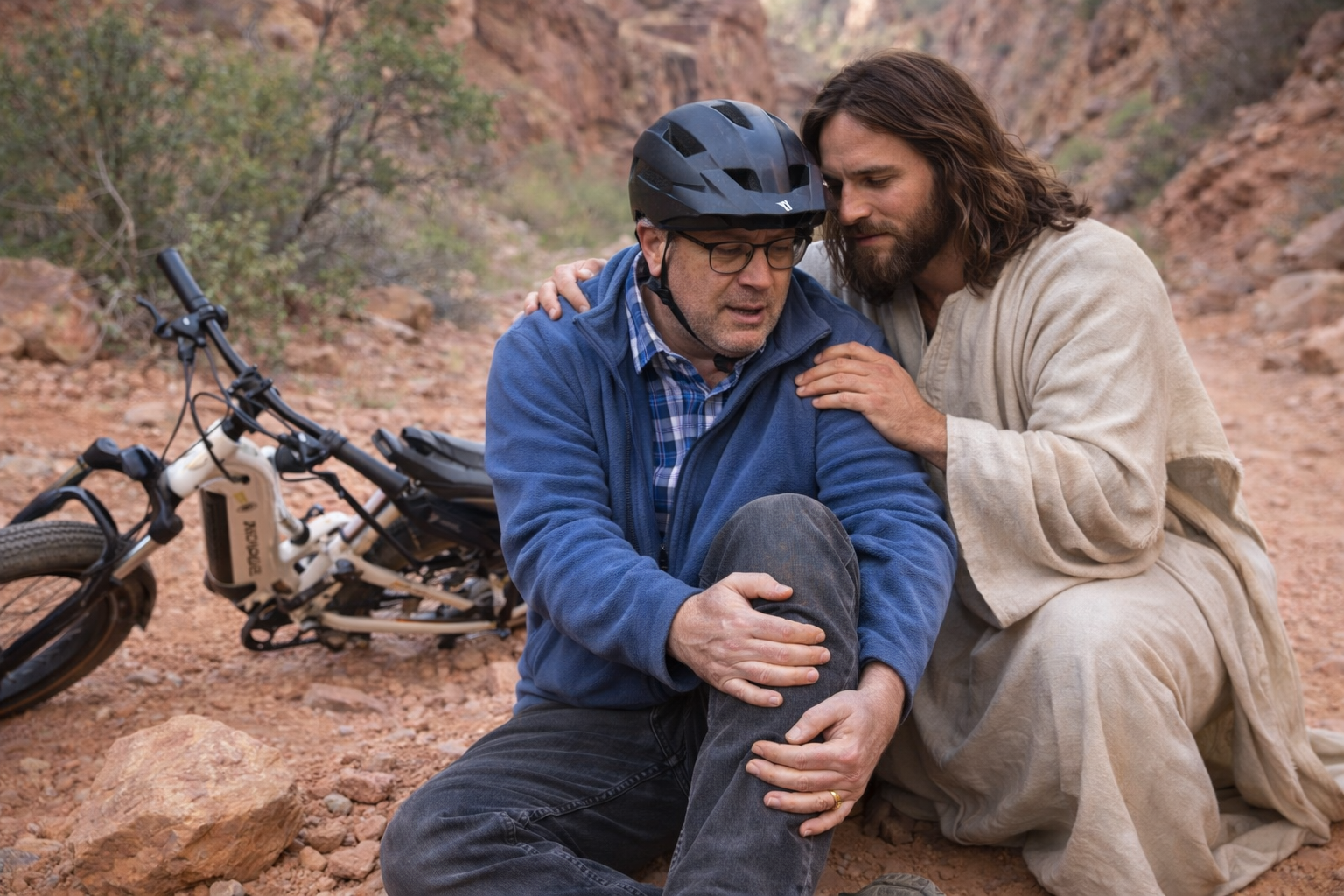
I’m learning that a more gospel-centered way to approach challenges isn’t to ask, “What did I do to deserve this?” but rather, “What is God showing me through this?” or “How is He supporting me in this?” The scriptures don’t teach that we earn a pain-free life through exactness. They teach that the Savior will be with us in our afflictions. That’s a very different lens.
Perfectionism says I should always be functioning at 100%, always in control, always improving without interruption. The gospel teaches something more merciful and truer: that growth often comes through limitation, that weakness is part of the plan, and that Christ meets us in those very places, not once we’ve overcome them.
This experience has reminded me that I don’t need to turn every hardship into a self-evaluation. I can let it be what it is: a hard thing, and then look for God’s hand within it. Instead of measuring myself against an unrealistic standard of constant optimal performance, I can receive help, adapt, and trust that the Lord is more interested in my reliance on Him than in my ability to avoid every misstep.
I’m still healing, physically and otherwise. But I’m grateful for what this has softened in me. Maybe the real “progress” isn’t in avoiding falls altogether, but in learning how to receive grace more readily when they happen.













 Imperfect Guy