
The Cave You Fear to Enter
Two weeks ago, I attended a men’s retreat in Eastern Idaho near Bear Lake. It was a last-minute decision, since I was gifted a ticket only days before the start of the event. When I read the description, it said that it would be physically demanding. Now that I’m 70, I wondered if I’d be able to participate. My daily exercise typically includes a 1.5 mile brisk walk around the new subdivision being built in my neighborhood on level asphalt. So the three hikes we went on at the retreat were demanding, for sure. We also did a cold plunge in a glacier-fed mountain lake. We hiked in rain, hail, and lightning crashing all around us. We played paintball capture the flag. We did holotropic breathing. And there were times when I wanted to sit out and not participate.
Early on in the retreat, one of the facilitators shared this phrase:
The cave you fear to enter holds the treasure you seek.
That stuck with me. When we were given the chance to do the cold plunge, initially, I thought I’d just let the younger whippernappers do it, and I’d watch. But if there was a treasure after, I didn’t want to miss out. We had to go into the lake up to our necks and stay for at least three minutes. They taught us some breath work to help with the process. It was certainly very cold, but I did it. The treasure was: I can do hard things.
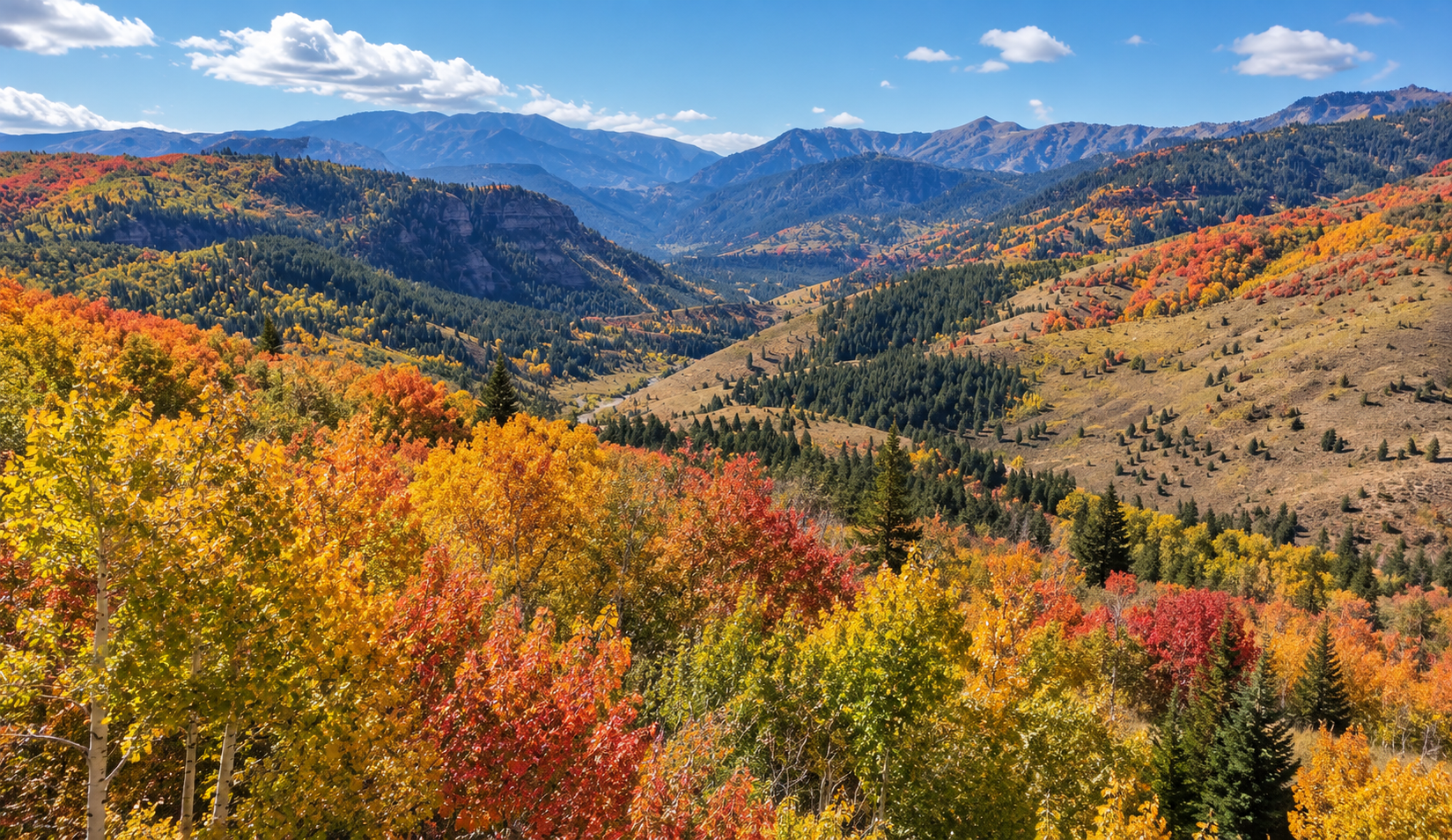
One morning, we did a 7-mile hike up a mountain. It was over 8,000 feet in elevation, so I often had to stop and catch my breath. There were a few times when I was tempted to say, “You guys go on ahead without me. I’ll join you on the way back down.” But I made it to the top. The treasure was: An awe-inspiring view of the fall colors in Southeastern Idaho. We also did some small-group processing using the Ho’oponopono, an ancient Hawaiian spiritual practice of reconciliation, forgiveness, and mental cleansing that means “to make things right.” That was indeed a treasure.
One evening we did a holotropic breathing process, a therapeutic breathing technique that uses controlled hyperventilation and evocative music to induce altered states of consciousness. The practice bypasses the conscious mind to access the subconscious, triggering emotional release and self-exploration. The treasure was: I invited Jesus to stay with me throughout the process. I spent time with around 20 younger versions of myself, providing support, compassion, and validation. I released three separate waves of sadness which evoked tears and laughter.
There were other processes which also yielded their own treasures. It would have been easy to sit back and avoid the discomfort. But I would have missed the reward.
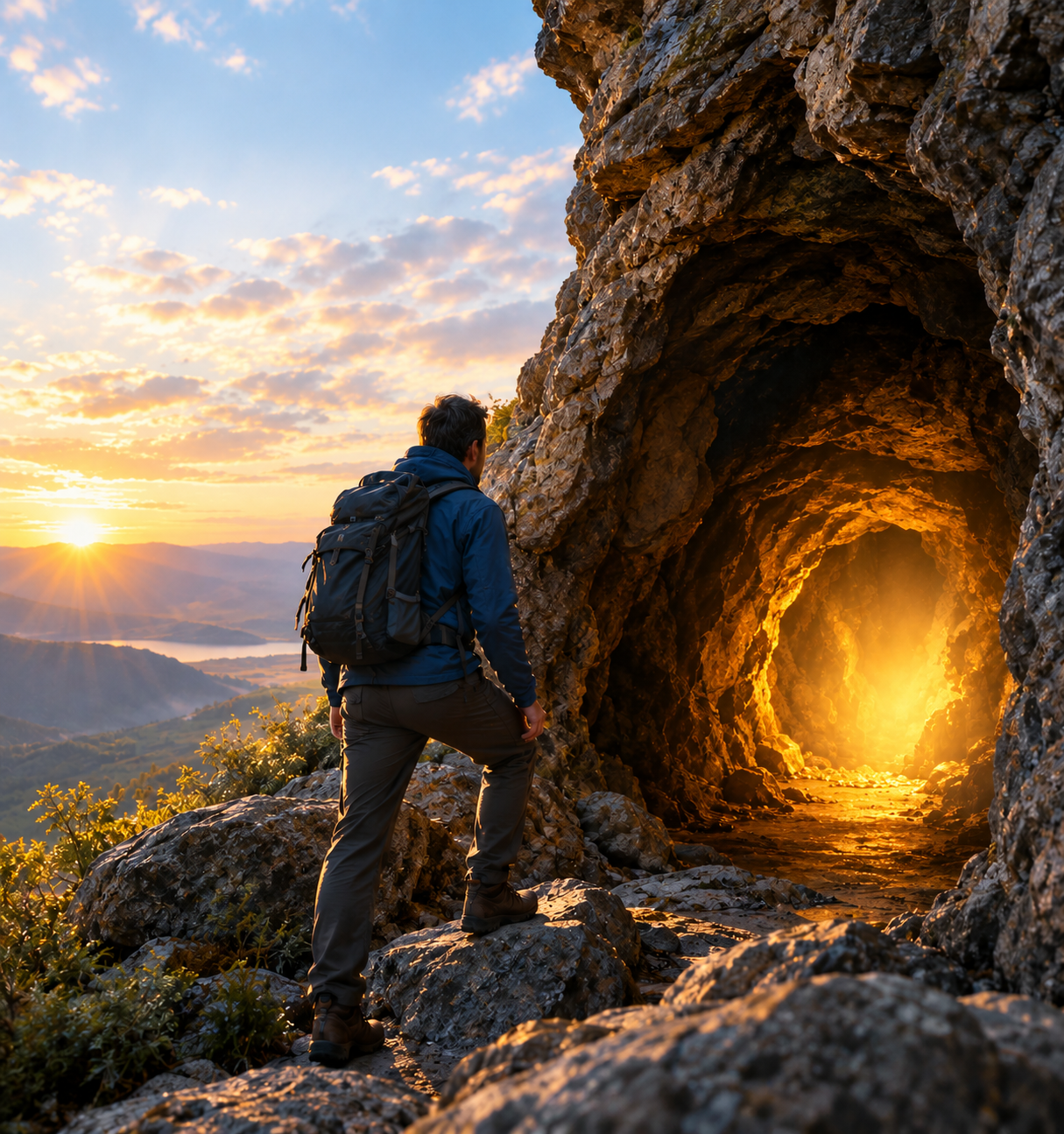
The concept of “The cave you fear to enter holds the treasure you seek,” is attributed to Carl Jung and Joseph Campbell. The sentiment heavily reflects the psychological concepts regarding the “shadow self” and individuation, the idea that personal growth requires confronting the dark or feared parts of the unconscious mind. In “the hero’s journey,” the cave represents the ultimate unknown or trial that a hero must face to gain wisdom instead of retreating into comfort.
I’ve been thinking about how much this applies to perfectionism. Perfectionism can create its own kind of cave. It says, “Don’t go there. You might fail. You might look foolish. You might discover that you aren’t as capable as you thought you were.” So we stay where we feel safe. We stick with what we know we can do well. We avoid situations where we might struggle, need help, fall behind, or simply not measure up.
But one of the things I learned at the retreat is that struggling isn’t the same thing as failing. At 70, I wasn’t the fastest hiker. I wasn’t the youngest person there. There were times when I had to stop and catch my breath while others continued up the trail. Perfectionism could have turned that into a story about inadequacy: “You don’t belong here. You’re too old. You can’t keep up.” Instead, I discovered that I didn’t have to be the best to participate. I simply had to keep taking the next step.
Perhaps this is one of the treasures hidden inside the cave of perfectionism: discovering that my worth isn’t determined by how well I perform. I can be tired and still be valuable. I can struggle and still belong. I can need to stop and catch my breath without having to apologize for it. I can enter an experience without knowing whether I will do it perfectly, or even whether I will be able to finish.
I also wonder if some of the caves we fear aren’t really about the activity itself. They are about what the activity might reveal about us. The mountain wasn’t just a mountain. The cold lake wasn’t just a cold lake. Sitting with younger versions of myself wasn’t simply an exercise. Each experience brought me face-to-face with parts of myself that I might normally avoid. The part that is afraid, the part that feels inadequate, the part that wants to quit, and the part that desperately wants to know that it is enough.
Perfectionism often promises to protect us from those feelings. If I can do everything right, maybe I won’t have to feel vulnerable. If I can always be strong, maybe I won’t have to acknowledge my weakness. If I can meet every expectation, maybe I won’t have to face the fear that I might not be enough. But the retreat reminded me that there can be treasure on the other side of those uncomfortable feelings. Sometimes the way forward isn’t becoming more perfect. It’s becoming more willing to be present with ourselves exactly as we are.
For me, the greatest treasure may have been realizing that I don’t have to conquer every cave. I simply need to be willing to enter the ones that are inviting me toward greater truth, healing, and connection. Sometimes the treasure isn’t becoming a better version of myself. Sometimes it’s discovering that the imperfect version of me is already worthy of compassion and love.

