When Gratitude Doesn’t Come Naturally
Some people seem to have a natural ability to notice the good things in life. They wake up grateful, appreciate the little things, and seem to find something positive in almost every situation. For others, gratitude doesn’t come quite so easily. They may look around and see what needs fixing, what isn’t working, what they wish were different, or what they haven’t accomplished yet. They might even feel a little guilty when someone tells them they should be more grateful.
I believe that gratitude isn’t necessarily something we’re born with. It’s something we can learn to practice. And for those of us who struggle with perfectionism, learning to be grateful may require a little extra patience.

Perfectionism has a way of directing our attention toward what’s missing rather than what’s already here. A perfectionist might finish a project and immediately notice the one thing that could have been better. He might receive a compliment but focus on the one criticism. He might have a wonderful day but go to bed thinking about the things he didn’t get done. It’s almost as if his mind has developed a radar system for finding imperfections. Here are a few reasons this can make gratitude difficult:
The goalpost keeps moving. It’s hard to appreciate what we’ve accomplished when we’re already focused on the next thing we need to accomplish.
We diminish the good. We may tell ourselves that something doesn’t count because it wasn’t good enough, wasn’t difficult enough, or wasn’t done perfectly.
We live with a feeling of inadequacy. If we believe we’re never quite enough, it’s difficult to feel satisfied with what we have.
We mistake gratitude for contentment. We may believe that being grateful means we shouldn’t want anything more or acknowledge that something is painful.
We focus on what we should be feeling. Even gratitude can become another item on our perfectionism checklist. We think we should be more grateful, and then criticize ourselves when we aren’t.
Gratitude isn’t about pretending life is wonderful when it isn’t. And it isn’t about shaming ourselves into having a better attitude. It’s about learning to notice what’s good, even when things aren’t perfect.
So, how do we practice gratitude when it doesn’t come naturally? I think we need to start small. Rather than trying to manufacture a grateful attitude, we can begin by developing a habit of noticing. Here are a few simple practices:
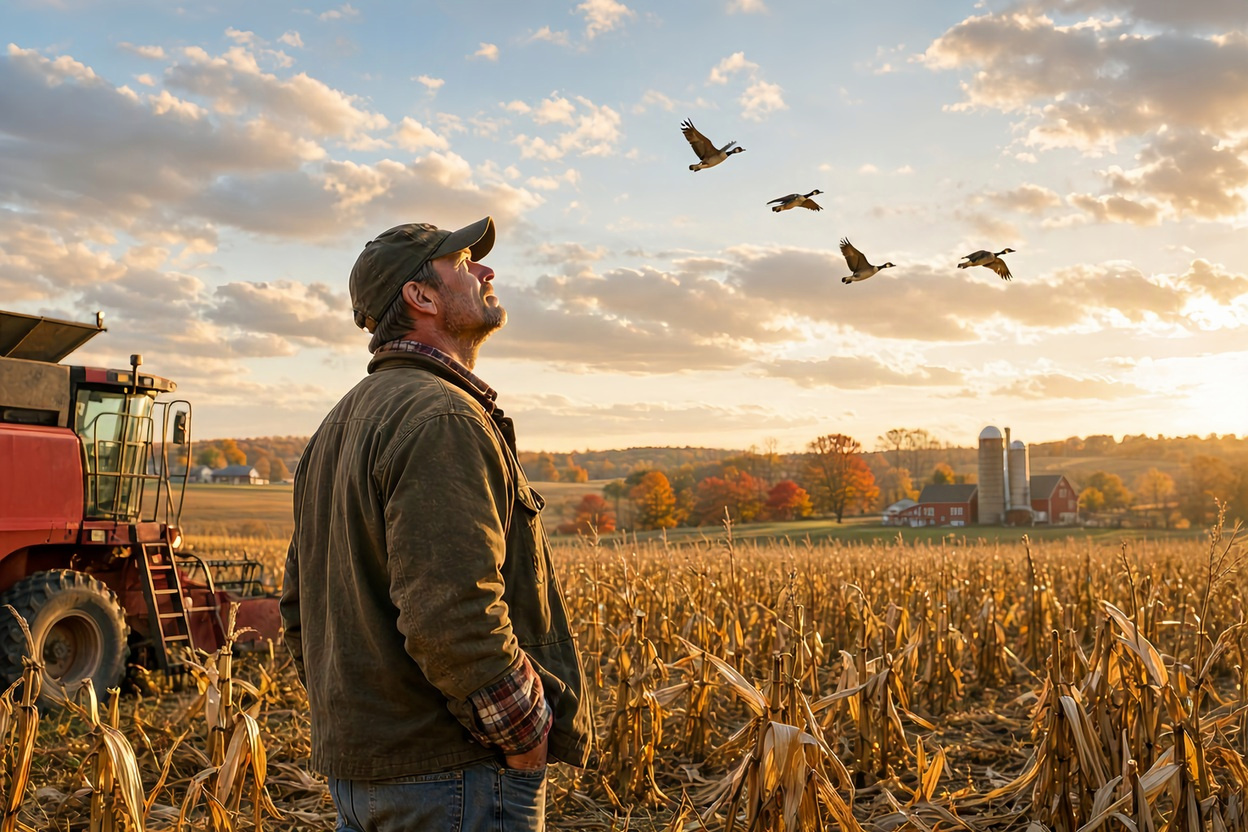
Look for ordinary things. At the end of the day, I write down things I was grateful for that day. Maybe a beautiful sunset or hearing a gaggle of geese flying overhead. Maybe an accomplishment or an authentic connection with someone. It doesn’t need to be profound.
Notice what’s working. Instead of focusing on what’s missing or what’s going awry, notice what’s going well. What do I have today that I might have taken for granted yesterday? What has made life a little better.
Try not to compare. Comparison is one of gratitude’s biggest enemies. It’s difficult to appreciate our own lives when we’re constantly measuring them against someone else’s. Someone will always have more money, better health, a nicer home, a happier marriage, or greater accomplishments.
Some days don’t go as planned. We make mistakes. We disappoint ourselves. We don’t accomplish everything on our list. We may even struggle with old habits or behaviors we’d rather leave behind. Instead of making the entire day a failure, ask yourself, Was there anything good about today? Maybe you showed patience when you normally would have become frustrated. Maybe you got back up after a difficult moment. Maybe you asked for help. Maybe you just kept going. We don’t have to have a perfect day to have a meaningful one.
I believe gratitude is closely connected to our ability to recognize God’s hand in our lives. One of my favorite prayers is one where I don’t ask for anything, but just thank the Lord for everything He is to me and has done for me. It helps when I can notice His tender mercies. Sometimes we get so focused on what we need to improve that we forget to recognize how much Heavenly Father already loves us. The Savior doesn’t ask us to earn His love by becoming perfect. His grace is already available to us. Perhaps one of the most important things we can be grateful for is that we don’t have to do everything on our own.
If gratitude doesn’t come naturally to you, don’t turn that into another reason to criticize yourself. Gratitude is less about having a particular feeling and more about developing a way of seeing. You don’t have to wake up tomorrow feeling like the most grateful person in the world. Just start noticing. Notice the people, the experiences, the little things, and the blessings that might otherwise pass you by.

